This post below relating to 5 Benefits of Tankless Water Heaters is seriously captivating. Check it out yourself and see what you think of it.
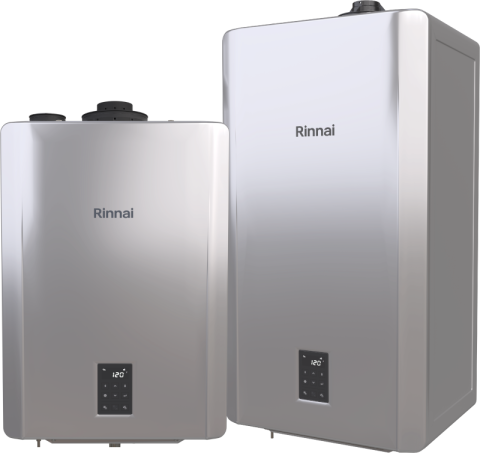
In a globe where benefit and efficiency preponderate, it's not a surprise that home owners are frequently looking for smarter methods to handle their home's energy intake and comfort. One advancement that has continuously acquired appeal is the tankless hot water heater. But what exactly makes these systems stick out from the traditional tank-based models a lot of us grew up with? Let's dive in and discover the benefits of tankless water heaters, assisting you decide if it's time to make the switch in your home.
Introduction
Picture this: you step into the shower after a long day, expecting a relaxing cascade of hot water, only to be greeted by icy droplets since the last individual utilized all of it up. Sound familiar? Conventional water heaters save a set quantity of warm water, indicating you're at the grace of that container's supply. Tankless systems, on the other hand, warm water on demand. No more going out mid-shower, say goodbye to wrestling with routines just to ensure warm water is available.
Understanding Tankless Water Heaters
What Are Tankless Water Heaters?
Tankless water heaters, sometimes called on-demand or immediate water heaters, give hot water just as it's needed. Rather than keeping gallons of pre-heated water, these devices kick right into activity the moment you switch on the tap. Water goes through a warm exchanger, warming up in real-time, suggesting you obtain an undisturbed flow of warm water without the requirement for a large container sitting lazily by.
Exactly how Do They Vary from Conventional Equipments?
Conventional heating systems hold a storage tank of hot water, utilizing energy to maintain that container at a constant temperature level. Tankless units get rid of the standing supply, cutting down on lost power and the cumbersome footprint of a large cylinder. Essentially, you're upgrading from a "accumulation" frame of mind to a "made-to-order" technique.
Typical Types of Tankless Units
Tankless hot water heater generally are available in 2 selections: gas and electric. Gas versions often tend to supply higher flow rates, ideal for bigger houses, while electrical designs commonly offer smaller homes and are generally easier to mount. In addition, some systems are made for point-of-use (serving one fixture) while others can take care of the entire home's warm water requirements.
Secret Benefits of Tankless Water Heaters
Energy Effectiveness and Expense Financial Savings
Say goodbye to heating a giant tank's well worth of water and maintaining it toasty all day. Tankless heating units lower standby power losses, which can lower energy bills. While the first cost might be greater, the long-lasting financial savings typically warrant the financial investment.
3. Space-Saving Design
If your home is short on storage, eliminating the cumbersome tank frees up useful space. Tankless systems are compact and can often be placed on walls, hidden in corners, or installed in tight utility closets without grabbing all of the entire room.
4. Longer Lifespan
A properly maintained tankless hot water heater can outlast its tank-based relative. Standard tanks could last 10-15 years, while tankless designs can maintain chugging along for two decades or even more, making them a solid investment gradually.
1. Limitless Warm Water Supply
Ever before had to arrange showers so every person obtains their reasonable share of hot water? With tankless, that becomes a thing of the past. As long as the heating system's flow capability isn't gone beyond, you can take back-to-back showers without turning into a popsicle.
5. Improved Water High Quality
Saving water in a tank can occasionally result in debris buildup or a slightly "off" preference. With tankless systems, fresh water is heated on the spot, minimizing the opportunities of debris build-up and potentially providing cleaner-tasting water.
Considerations Before Switching
Though the advantages are engaging, it's important to consider a couple of variables prior to completely dedicating.
Assessing Your Home's Water Usage Patterns
If your home concurrently makes use of several fixtures with high hot water need, make certain the device's circulation price meets your demands. Understanding your use patterns helps you select the ideal size and kind of tankless heating unit.
Upkeep and Treatment Tips
Tankless systems are relatively reduced maintenance, yet they aren't set-it-and-forget-it appliances.
Normal Cleaning and Descaling
Hard water minerals can accumulate in the heat exchanger, influencing efficiency. Routine descaling (frequently suggested each year) maintains the unit performing at peak performance.
Annual Expert Assessments
A yearly checkup from a specialist ensures minor issues are caught early. They'll assess the unit's efficiency, seek leakages, and assist preserve ideal effectiveness.
First Financial Investment Prices
Tankless heating units generally feature a higher upfront price. In between the unit itself and possible setup modifications, the preliminary expense could provide you sticker shock. But keep in mind to watch it as a long-term financial investment.
Installation Demands
Depending upon your home's infrastructure, you may need added electrical ability or gas line upgrades. Ensure you comprehend the installation demands and speak with a specialist to avoid surprises.
Making Sure Correct Air Flow
For gas designs, correct air flow is necessary to safely get rid of exhaust gases. See to it airing vent systems are clean and properly set up to avoid any type of prospective security risks.
Contrasting Different Brands and Designs
Not all tankless water heaters are developed equal.
Looking Into Reputable Producers
Try to find trustworthy brand names with a background of creating quality devices. A dependable manufacturer commonly gives far better customer assistance and longer guarantees.
Installation: Do It Yourself or Expert?
While some homeowners delight in tackling tasks themselves, tankless installation may not be the best time to break out the tool kit.
Benefits and drawbacks of DIY Setup
A do it yourself mount could save money, yet it comes with risks. Inaccurate setup can bring about inadequacy or safety problems. If you come in handy and have experience, it might be possible-- but proceed with care.
Reviewing Evaluations and Individual Feedback
Customer evaluations and feedback from next-door neighbors or buddies who have gone tankless can provide valuable insights. In some cases, real-life experiences can be a lot more informing than marketing brochures.
When to Call a Professional Plumbing Technician
For most, calling a professional makes sure everything's done properly. A professional plumbing professional understands regional codes, sizing needs, and venting criteria, decreasing the danger of problems.
Optimizing Performance
You have actually invested in a tankless unit-- currently optimize its performance.
Optimum Temperature Level Setups
Many people set their systems between 120-140 F. Changing the temperature can improve comfort and financial savings. Experiment to locate a pleasant place that does not squander energy.
Pairing with Low-Flow Fixtures
Wish to extend your device's capabilities? Take into consideration installing low-flow showerheads and faucets. They minimize water use, permitting your tankless system to provide a consistent stream of warm water without stressing.
Environmental Impact
Tankless water heaters line up with greener living goals.
Lowered Carbon Impact
By utilizing less power and only home heating water as needed, tankless systems can decrease your home's carbon footprint, lowering your ecological impact.
Saving Natural Resources
Less power consumption and much less wasted warm water convert into fewer natural deposits being made use of, an ecological win-win.
That Benefits Many from Tankless Heating systems?
The beauty of tankless heaters is that they can match a variety of homes.
Huge Households vs. Single Owners
Big households might like the endless warm water supply, while single passengers value the energy cost savings from not heating up a whole storage tank for just a single person's early morning shower.
House Owners with Restricted Room
If your home is short on square video footage, shedding the large tank frees up area for various other basics-- or perhaps just extra elbow room.
Eco-Conscious Customers
Going tankless aligns with eco-friendly values, guaranteeing you're not losing energy or sources.
Future Fads in Tankless Water Heaters
The globe of home appliances is ever-evolving, and tankless hot water heater are no exemption.
Improvements in Technology
R&D is regularly boosting heat exchangers, making systems extra efficient and resilient. Future designs could be also quieter, more small, and much better matched for varying environments.
Smart Home Assimilation
Envision changing your water heater's temperature level using an application or getting maintenance signals on your phone. As wise home technology breakthroughs, we'll see more connectivity and convenience.
Final thought
Selecting a tankless hot water heater is greater than just upgrading your home's warm water system; it's investing in lasting comfort, energy performance, and a greener way of life. By considering your household's water use, being mindful of setup needs, and dedicating to routine maintenance, you can appreciate a constant stream of hot water without the luggage of a large container. As innovation advances, you can eagerly anticipate even smarter, more effective tankless remedies that not only make your life much easier but likewise profit the earth.
The Benefits of Tankless Water Heaters for Modern Homes
Energy Efficiency and Cost Savings
Reduced Energy Consumption
Tankless water heaters are known for their energy efficiency. Unlike traditional water heaters that continuously heat and reheat water to maintain a set temperature, tankless systems only heat water when needed. This on-demand heating process significantly reduces energy consumption, lowering utility bills. According to the U.S. Department of Energy, tankless water heaters can be 24-34% more energy-efficient than conventional storage tank water heaters for homes that use 41 gallons or less of hot water daily.
Long-Term Cost Savings
While the initial investment for a tankless water heater may be higher than that of a traditional unit, the long-term savings on energy bills can offset this cost. Additionally, tankless models typically have a longer lifespan, lasting up to 20 years or more with proper maintenance. This durability translates to fewer replacements and lower overall costs over time.
Unlimited Hot Water Supply with Tankless Water Heaters
Continuous Hot Water
One of the most significant advantages of tankless models is their ability to provide an endless hot water supply. Since these systems heat water on demand, homeowners never have to worry about running out of hot water, even during peak usage times. This especially benefits larger households or homes with high hot water demands.
Enhanced Comfort and Convenience
With a tankless water heater, you can enjoy the comfort and convenience of hot water whenever you need it. Whether taking a long shower, running multiple appliances simultaneously, or hosting guests, a tankless system ensures that hot water is always available without interruption.
Space-Saving Design
Compact and Versatile
Tankless models are significantly smaller than traditional water heaters with storage tanks. Their compact design allows for flexible installation options, freeing up valuable space in your home. Tankless units can be mounted on walls, installed in closets, or placed in other convenient locations, making them ideal for homes with limited space.
Modern Aesthetics
The sleek and modern design of tankless versions can also enhance the aesthetic appeal of your home. Unlike bulky storage tanks that can be an eyesore, tankless units are discreet and can easily blend into your home s d cor.
Environmental Benefits
Tankless heaters reduce homeowners carbon footprints by consuming less energy. This makes them an environmentally friendly choice for homeowners looking to minimize their impact on the planet. The Environmental Protection Agency (EPA) highlights the importance of energy-efficient appliances in reducing greenhouse gas emissions and conserving natural resources.
Less Waste
Traditional water heaters are prone to corrosion and sediment build-up, which can lead to frequent replacements and waste. With their longer lifespan and efficient operation, tankless versions generate less waste over time. This durability and efficiency contribute to a more sustainable home environment.
Professional Tankless Water Heaters Installation and Maintenance
Expert Installation
Proper installation is crucial for the optimal performance and longevity of a tankless water heater. Professional plumbers have the expertise to install these systems correctly, ensuring that they function efficiently and safely. Incorrect installation can lead to performance issues and potential safety hazards.
Regular Maintenance
Regular maintenance is essential to keep your tankless water heater operating at peak efficiency. Professional plumbers can perform routine inspections, cleanings, and necessary repairs to extend the life of your unit. This proactive approach helps prevent unexpected breakdowns and ensures a continuous hot water supply.
https://brockplumbinganddrains.com/blog/the-benefits-of-tankless-water-heaters-for-modern-homes/

I'm very interested in Six Benefits of a Tankless Hot Water Heater and I really hope you liked our piece. Sharing is nice. Helping others is fun. Many thanks for your time. Please come by our blog back soon.
Click Here