Right here underneath you can find additional good quality ideas about Pros and Cons of Tankless Water Heater.

In a globe where convenience and performance reign supreme, it's no surprise that house owners are constantly on the lookout for smarter ways to manage their home's energy consumption and comfort. One innovation that has actually continuously gotten appeal is the tankless hot water heater. However what exactly makes these systems attract attention from the standard tank-based versions a lot of us matured with? Allow's dive in and discover the advantages of tankless water heaters, helping you choose if it's time to make the button in your house.
Introduction
Picture this: you enter the shower after a lengthy day, anticipating a soothing waterfall of hot water, just to be welcomed by icy beads because the last individual used all of it up. Noise acquainted? Traditional hot water heater store a fixed amount of hot water, indicating you're at the grace of that container's supply. Tankless systems, on the other hand, warm water on demand. Say goodbye to running out mid-shower, say goodbye to wrestling with timetables simply to make certain hot water is offered.
Understanding Tankless Hot Water Heater
What Are Tankless Water Heaters?
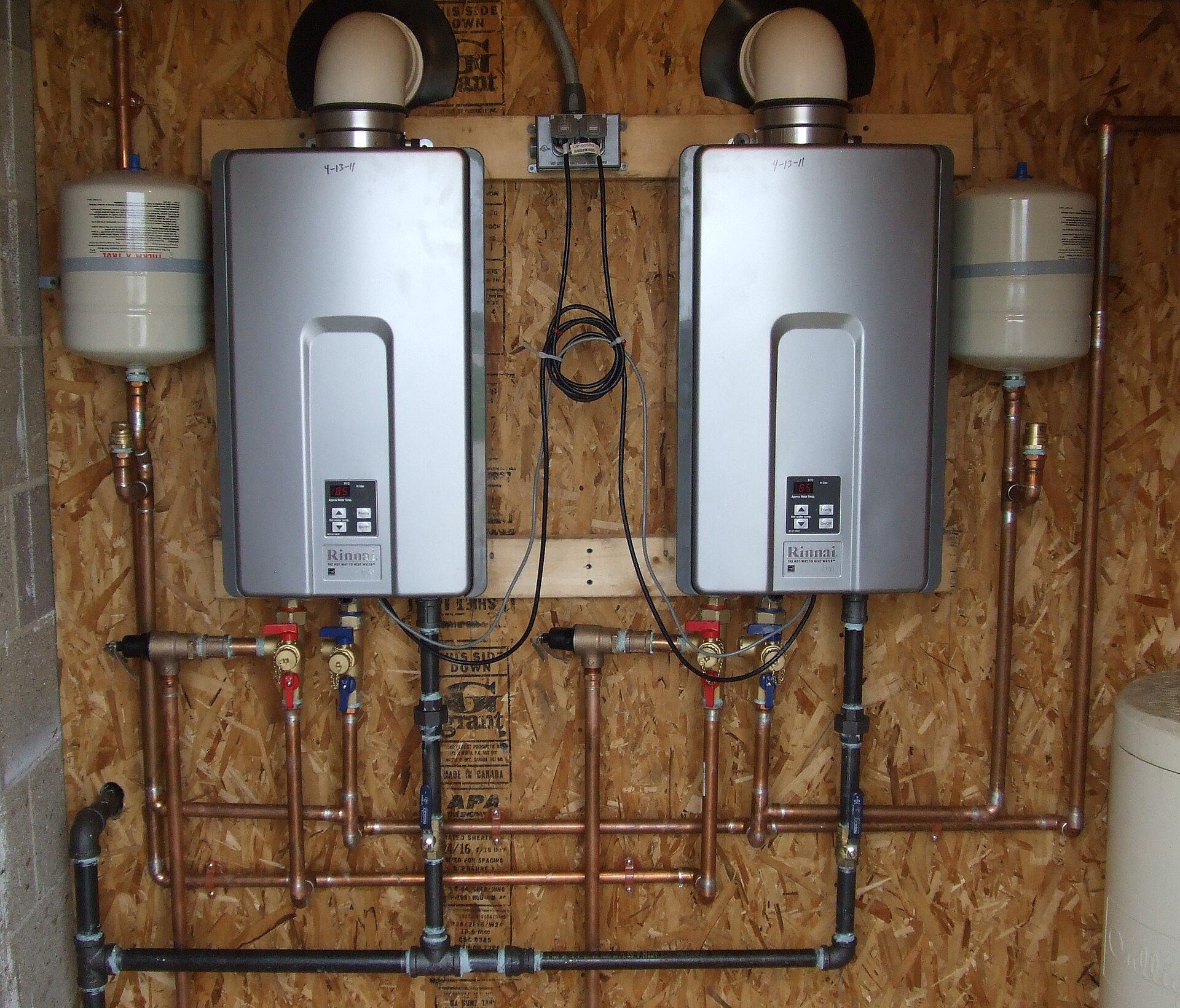
Tankless water heaters, often known as on-demand or instant hot water heater, give hot water just as it's needed. Rather than saving gallons of pre-heated water, these devices kick right into activity the moment you activate the tap. Water passes through a warm exchanger, warming up in real-time, suggesting you obtain a continuous flow of hot water without the requirement for a large storage tank resting lazily by.
Just how Do They Vary from Standard Solutions?
Traditional heaters hold a reservoir of warm water, utilizing energy to maintain that tank at a constant temperature. Tankless systems eliminate the standing supply, lowering thrown away energy and the bulky footprint of a large cyndrical tube. Essentially, you're updating from a "stockpile" state of mind to a "made-to-order" method.
Common Sorts Of Tankless Units
Tankless water heaters normally come in 2 ranges: gas and electrical. Gas versions have a tendency to supply greater flow prices, perfect for bigger households, while electric models often serve smaller sized homes and are generally simpler to install. In addition, some systems are designed for point-of-use (serving one fixture) while others can handle the entire home's warm water requirements.
Trick Benefits of Tankless Hot Water Heater
1. Countless Warm Water Supply
Ever before needed to arrange showers so everyone gets their reasonable share of hot water? With tankless, that comes to be a thing of the past. As long as the heating system's flow capability isn't exceeded, you can take back-to-back showers without turning into a popsicle.
2. Power Efficiency and Price Financial Savings
Say goodbye to heating up a giant tank's worth of water and keeping it cozy all day. Tankless heating units minimize standby power losses, which can decrease energy costs. While the preliminary expense may be greater, the lasting savings commonly warrant the financial investment.
3. Space-Saving Layout
If your home is short on storage space, removing the bulky tank frees up beneficial room. Tankless systems are compact and can often be placed on wall surfaces, hidden in corners, or mounted in tight energy storage rooms without grabbing all of the whole space.
4. Longer Lifespan
A well-kept tankless hot water heater can outlive its tank-based cousin. Standard tanks may last 10-15 years, while tankless models can maintain downing along for two decades or more, making them a strong financial investment with time.
5. Improved Water High Quality
Saving water in a container can occasionally result in debris buildup or a slightly "off" preference. With tankless systems, fresh water is heated on the spot, lowering the chances of debris buildup and possibly using cleaner-tasting water.
Considerations Before Changing
Though the benefits are compelling, it's smart to take into consideration a few variables prior to completely dedicating.
Initial Investment Costs
Tankless heaters usually feature a higher upfront price tag. Between the unit itself and potential installation modifications, the initial cost might give you sticker label shock. Yet keep in mind to watch it as a long-lasting investment.
Installation Needs
Depending on your home's infrastructure, you might require additional electric capability or gas line upgrades. Guarantee you comprehend the setup needs and talk to an expert to prevent shocks.
Reviewing Your Home's Water Use Patterns
If your family concurrently utilizes several components with high warm water demand, ensure the system's flow price fulfills your needs. Recognizing your use patterns assists you select the right size and type of tankless heating system.
Maintenance and Treatment Tips
Tankless systems are fairly reduced upkeep, but they aren't set-it-and-forget-it home appliances.
Regular Cleaning and Descaling
Tough water minerals can develop in the warmth exchanger, influencing efficiency. Regular descaling (frequently suggested annually) keeps the system running at peak performance.
Yearly Professional Assessments
A yearly checkup from a specialist makes certain small problems are caught early. They'll evaluate the unit's efficiency, try to find leaks, and assist maintain ideal performance.
Making Certain Correct Air Flow
For gas designs, proper air flow is vital to securely eliminate exhaust gases. See to it venting systems are clean and properly mounted to prevent any prospective safety and security hazards.
Comparing Different Brands and Designs
Not all tankless water heaters are produced equal.
Investigating Dependable Producers
Try to find respectable brands with a history of producing top quality devices. A trustworthy manufacturer frequently supplies far better customer assistance and longer warranties.
Reviewing Reviews and User Feedback
Customer evaluations and comments from next-door neighbors or buddies who have gone tankless can use important understandings. Occasionally, real-life experiences can be more telling than advertising sales brochures.
Installment: DIY or Specialist?
While some homeowners enjoy dealing with tasks themselves, tankless installment could not be the very best time to break out the toolbox.
Advantages and disadvantages of DIY Installation
A do it yourself mount might save money, yet it comes with threats. Inaccurate setup can lead to inadequacy or safety and security problems. If you're handy and have experience, it might be viable-- however wage caution.
When to Call a Professional Plumber
For a lot of, calling a pro makes certain everything's done appropriately. An expert plumbing professional understands regional codes, sizing needs, and venting specifications, reducing the danger of incidents.
Optimizing Performance
You have actually bought a tankless device-- currently optimize its efficiency.
Optimal Temperature Setups
Most people establish their units in between 120-140 F. Changing the temperature level can improve comfort and savings. Experiment to find a pleasant place that does not throw away energy.
Pairing with Low-Flow Fixtures
Wish to extend your device's capacities? Think about installing low-flow showerheads and taps. They minimize water usage, allowing your tankless system to provide a stable stream of warm water without straining.
Ecological Effect
Tankless hot water heater line up with greener living objectives.
Reduced Carbon Impact
By using less power and only heating water as needed, tankless systems can decrease your home's carbon footprint, decreasing your ecological impact.
Preserving Natural Resources
Less power consumption and less thrown away hot water equate into fewer natural deposits being used, an environmental win-win.
That Benefits A Lot Of from Tankless Heating systems?
The beauty of tankless heating systems is that they can match a variety of households.
Big Households vs. Single Owners
Huge family members may love the endless warm water supply, while solitary passengers appreciate the energy savings from not warming a whole container for simply a single person's morning shower.
Property Owners with Limited Room
If your home is short on square footage, losing the bulky container maximizes room for various other basics-- or perhaps just a lot more elbow room.
Eco-Conscious Consumers
Going tankless aligns with eco-friendly values, guaranteeing you're not wasting power or resources.
Future Trends in Tankless Hot Water Heater
The globe of home appliances is ever-evolving, and tankless water heaters are no exemption.
Smart Home Integration
Envision adjusting your water heater's temperature by means of an app or getting upkeep signals on your phone. As smart home tech developments, we'll see even more connection and convenience.
Advancements in Technology
R&D is continuously improving warm exchangers, making systems much more efficient and durable. Future models could be also quieter, extra small, and better matched for differing environments.
Conclusion
Choosing a tankless water heater is greater than simply upgrading your home's hot water system; it's buying long-term convenience, energy effectiveness, and a greener way of life. By considering your home's water use, being mindful of setup needs, and dedicating to regular upkeep, you can enjoy a constant stream of hot water without the luggage of a cumbersome tank. As innovation evolves, you can anticipate also smarter, extra efficient tankless services that not just make your life simpler however additionally profit the earth.
The Benefits of Tankless Water Heaters for Modern Homes
Energy Efficiency and Cost Savings
Reduced Energy Consumption
Tankless water heaters are known for their energy efficiency. Unlike traditional water heaters that continuously heat and reheat water to maintain a set temperature, tankless systems only heat water when needed. This on-demand heating process significantly reduces energy consumption, lowering utility bills. According to the U.S. Department of Energy, tankless water heaters can be 24-34% more energy-efficient than conventional storage tank water heaters for homes that use 41 gallons or less of hot water daily.
Long-Term Cost Savings
While the initial investment for a tankless water heater may be higher than that of a traditional unit, the long-term savings on energy bills can offset this cost. Additionally, tankless models typically have a longer lifespan, lasting up to 20 years or more with proper maintenance. This durability translates to fewer replacements and lower overall costs over time.
Unlimited Hot Water Supply with Tankless Water Heaters
Continuous Hot Water
One of the most significant advantages of tankless models is their ability to provide an endless hot water supply. Since these systems heat water on demand, homeowners never have to worry about running out of hot water, even during peak usage times. This especially benefits larger households or homes with high hot water demands.
Enhanced Comfort and Convenience
With a tankless water heater, you can enjoy the comfort and convenience of hot water whenever you need it. Whether taking a long shower, running multiple appliances simultaneously, or hosting guests, a tankless system ensures that hot water is always available without interruption.
Space-Saving Design
Compact and Versatile
Tankless models are significantly smaller than traditional water heaters with storage tanks. Their compact design allows for flexible installation options, freeing up valuable space in your home. Tankless units can be mounted on walls, installed in closets, or placed in other convenient locations, making them ideal for homes with limited space.
Modern Aesthetics
The sleek and modern design of tankless versions can also enhance the aesthetic appeal of your home. Unlike bulky storage tanks that can be an eyesore, tankless units are discreet and can easily blend into your home s d cor.
Environmental Benefits
Tankless heaters reduce homeowners carbon footprints by consuming less energy. This makes them an environmentally friendly choice for homeowners looking to minimize their impact on the planet. The Environmental Protection Agency (EPA) highlights the importance of energy-efficient appliances in reducing greenhouse gas emissions and conserving natural resources.
Less Waste
Traditional water heaters are prone to corrosion and sediment build-up, which can lead to frequent replacements and waste. With their longer lifespan and efficient operation, tankless versions generate less waste over time. This durability and efficiency contribute to a more sustainable home environment.
Professional Tankless Water Heaters Installation and Maintenance
Expert Installation
Proper installation is crucial for the optimal performance and longevity of a tankless water heater. Professional plumbers have the expertise to install these systems correctly, ensuring that they function efficiently and safely. Incorrect installation can lead to performance issues and potential safety hazards.
Regular Maintenance
Regular maintenance is essential to keep your tankless water heater operating at peak efficiency. Professional plumbers can perform routine inspections, cleanings, and necessary repairs to extend the life of your unit. This proactive approach helps prevent unexpected breakdowns and ensures a continuous hot water supply.
https://brockplumbinganddrains.com/blog/the-benefits-of-tankless-water-heaters-for-modern-homes/
Do you like reading about Six Benefits of a Tankless Hot Water Heater? Try leaving a remark down below. We would be happy to hear your reactions about this blog. In hopes that you visit us again in the future. You should take a moment to promote this entry if you liked it. Many thanks for being here. Kindly check our site back soon.
Booking